Why Pashmina Shawls Are a Must for Pakistani Women in UK Winter

- December 28, 2025
Pashmina shawls provide warmth without adding weight. They cover modest clothing and work well as hijabs. For Pakistani women in the UK, these shawls are suitable for cold weather, support cultural values, and fit daily life. Made from Himalayan wool, real pashmina offers lasting comfort in winter.
Pakistani women in the UK face long, cold winters. Thick coats feel heavy and do not match modest fashion. A pashmina shawl solves this. It comes from the Himalayas, holds warmth, and respects tradition. It fits well with daily clothing and winter routines.
Pashmina: A Wool With Roots in History

Pashmina wool comes from the Changthangi goats that live in the Himalayas, where winter drops below minus 30 degrees. Local herders collect the wool when the goats shed it each spring. This raw fiber, called pashm, is cleaned and sorted by hand to keep its soft texture.
In Kashmir, people have been making shawls from this wool for hundreds of years. During the Mughal era, emperors like Akbar gave pashmina as gifts of honor. These shawls showed status and skill. Later, they reached Europe, where women wore them as part of bridal dowries and winter fashion.
The method has not changed much. Spinning, weaving, and finishing are still done by hand in Srinagar, the old center of this craft. Every real pashmina is part of this long tradition shaped by climate, culture, and careful work.
Why Ordinary Coats Don’t Work in the UK Winter
British winters are long, wet, and often unpredictable. The cold comes with damp air and low light. Thick coats may seem like a solution, but many feel too heavy or stiff for daily wear. Some coats trap sweat indoors and still fail to block the chill outside.
Pakistani women who dress modestly often need layers that move well, cover fully, and stay breathable. A coat alone cannot offer that balance. It may clash with hijab styles or feel bulky over traditional clothing.
This makes light, warm layers more useful. Pashmina shawls give insulation without trapping heat. They fold easily over modest outfits and stay comfortable indoors and outside. For daily life in the UK winter, a shawl often works better than a full coat.
What Makes Pashmina Shawls Special
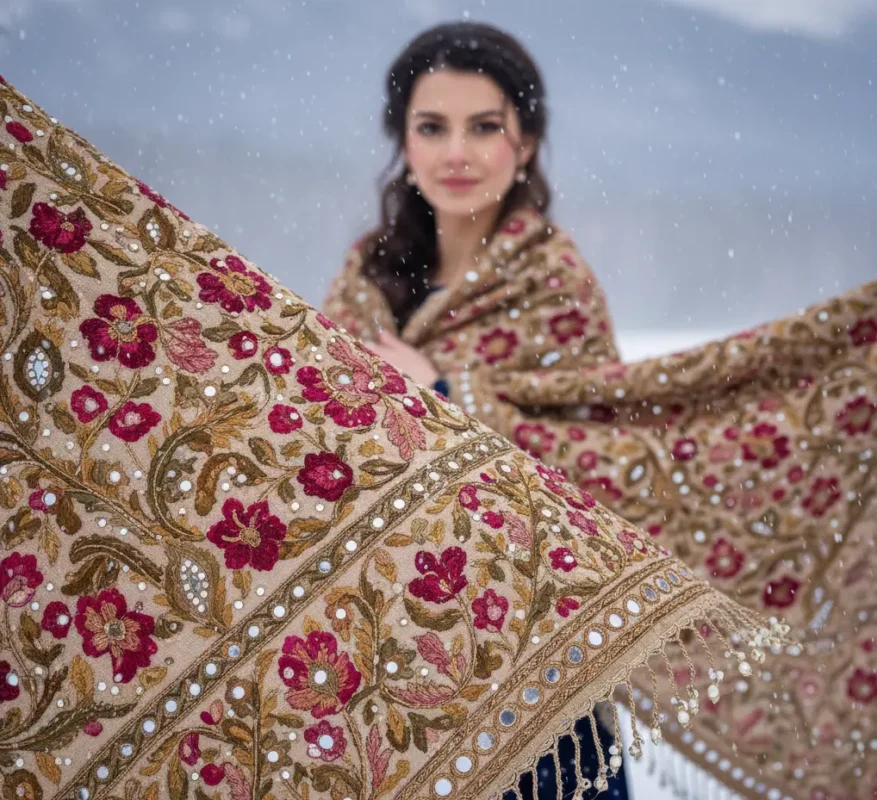
Pashmina comes from the undercoat of the Changthangi goat, which lives in the high-altitude regions of the Himalayas. These goats grow fine wool to survive extreme cold. In spring, herders collect the fiber gently by hand. The wool is then cleaned, spun, and woven in Kashmir, where the craft has passed through generations.
Pashmina stands out because it holds heat without feeling heavy. The fabric stays light on the body and allows air to pass. This balance keeps warmth in while avoiding sweat buildup. The surface feels smooth, not itchy, and folds easily without losing shape.
Compared to regular wool, pashmina is finer and softer. Unlike synthetic blends, it comes from a natural, traceable source. Cashmere is similar but often thicker or less breathable. Pashmina’s thread count and handwoven texture make it easier to wear with both modest and modern outfits.
Each shawl reflects careful work. It does not come from a machine or factory but from hands that know how to treat the fiber without damaging it. This care gives every piece a quiet quality: it warms, it fits, and it lasts.
How Pashmina Fits Cultural Identity and Modest Outfits
In Pakistani culture, a shawl is more than a garment. Families often pass down pashmina during weddings or festivals. Many women keep one as part of a bridal set or inherit it from a parent. These shawls hold memory and meaning. They connect generations without words.
For women living in the UK, wearing pashmina brings back that sense of place. It wraps not just the body but also a part of the past. It reminds some of gatherings at home, prayers in winter, or the quiet beauty of Eid mornings.
Pashmina also works well with modest clothing. It can cover the head as hijab, fold across the shoulders, or layer under a coat without bulk. Its shape stays firm, and its size gives full coverage without needing pins or clips. For many, it solves the need for warmth while keeping the modest look intact.
Everyday Use Cases of Pashmina Shawl for Pakistani Women in the UK

On cold school mornings, many mothers need to dress quickly but still feel covered and warm. A pashmina shawl layers easily over regular clothes and stays in place during the rush. It wraps well and doesn’t get in the way while managing children or walking outside.
For mosque visits, modesty and comfort both matter. Pashmina works as a head covering or shoulder wrap. It adjusts easily when entering or leaving prayer areas and offers full coverage without extra weight.
During winter weddings or Eid gatherings, a pashmina adds tradition without hiding the outfit beneath. It pairs with formalwear and adds a respectful layer in colder venues. Some women keep one in their bag for indoor events that feel chilly.
In the evening or on weekends, a pashmina becomes part of the daily outfit. It gives a polished look without effort. Unlike heavy jackets or stiff scarves, it folds neatly and fits any style, whether jeans, an abaya, or a dress.
How to Choose an Authentic Pashmina Shawl
Many shawls are sold as pashmina, but not all are real. Pure pashmina comes from the undercoat of Himalayan goats and is spun by hand. Fake versions often use machine-made blends that feel rough or fall apart quickly.
To check for authenticity, feel the weave. A true pashmina has fine, even threads with no shine. Rub it gently. It should feel warm but not slippery. You can also try the burn test: a real pashmina smells like burnt hair when lit at the edge and turns to ash. Synthetics will melt or smell like plastic.
Another test is the ring test. It can pass through even from the smallest ring.
Price also matters. A pure pashmina usually costs more because of the time it takes to make. Very cheap options are almost never real. Always check the label or ask about the fiber source before buying.
| Feature | Pashmina | Cashmere | Wool |
|---|---|---|---|
| Source | Himalayan Changthangi goat | Various breeds (global) | Sheep |
| Fiber Thickness | 12–16 microns | 16–21 microns | 23+ microns |
| Texture | Ultra-soft, fine | Soft | Coarse or scratchy |
| Warmth | High | Medium to high | Medium |
| Weight | Very light | Light | Heavy |
| Common Use | Handwoven shawls | Machine-knit sweaters, scarves | Winter coats, jumpers |
| Typical Price | High | Medium to high | Low to medium |
| Authentic Tests | Burn test, weave test | Label, texture | Label, thickness |
Where to Buy Real Pashmina Shawls
To avoid fakes, buy from trusted sellers. Look for UK-based shops that specialize in South Asian textiles or have direct links to Kashmir. Some families also sell through verified platforms or boutique markets. Ask about the origin, method of weaving, and fiber type.
A real seller will tell you how the shawl was made, not just show you a price tag. At Perfect Designers, we have pashmina shawl suits. Explore our collection.
-
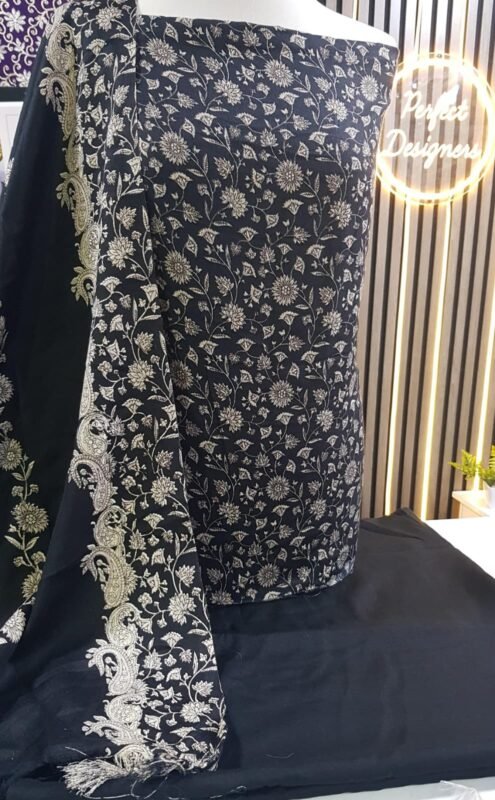 Unstitched Embroidered marina winter suits with printed pashmina shawl
£11.99 – £14.99Price range: £11.99 through £14.99
Unstitched Embroidered marina winter suits with printed pashmina shawl
£11.99 – £14.99Price range: £11.99 through £14.99
-
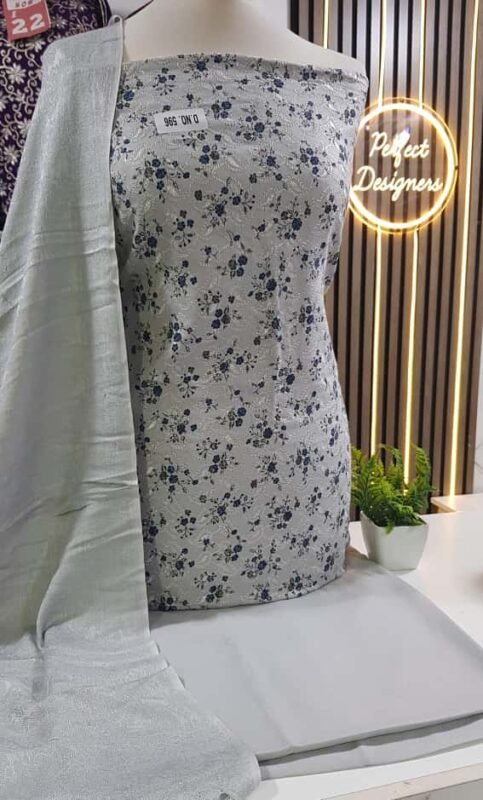 Unstitched pakistani Indian Embroidered alpine winter suits with pashmina shawl D-596
£17.99
Unstitched pakistani Indian Embroidered alpine winter suits with pashmina shawl D-596
£17.99
Dress for the Cold without Hiding your Style.
Modest doesn’t mean bulky. Layer smart, move freely, and stay covered in every setting. View more articles in winter collection to stay warm in UK weather.
Is Pashmina Worth the Price?
A real pashmina shawl lasts for many years. When stored well, it can stay in good condition for over a decade. Some women pass them down as part of family traditions.
Although it may cost more upfront, it offers value with each wear. One shawl works for daily use, formal settings, and prayer. Compared to fast fashion, its cost-per-use is low over time.
Pashmina also carries emotional and cultural meaning. It connects you to heritage and remains useful across seasons. For many, it is not just a garment but a personal item that grows more valuable with age.
Pashmina Styling Tips for UK Winters
Pashmina fits many styles. For hijab, wrap it once around the head and let the ends fall across the chest. The fabric stays in place without pins. For formal events, fold it across the shoulders or drape it over one arm.
In casual wear, wear it loose with jeans, abayas, or maxi dresses. It can replace both a scarf and a light jacket. Some women tie it turban-style or loop it with a twist for a fitted look.
Try a side knot, an asymmetrical fold, or wear it over one shoulder. All styles work well with modest outfits. Keep one color neutral and one bold for different looks.
Conclusion: Pashmina Shawl That Wraps Culture, Climate, and Confidence
A pashmina shawl offers more than warmth. It supports modest fashion, fits British winters, and holds cultural meaning for many Pakistani women in the UK.
Choose one piece that speaks to your style. Let it be part of your winter routine. One shawl can cover you in comfort and tradition at the same time.
FAQs
Can I wear pashmina as hijab in winter?
Yes. It gives full coverage and stays warm without bulk.
Is pashmina warmer than cashmere?
Pashmina is finer and traps heat better. It feels lighter but insulates well.
How do I store and wash pashmina?
Store flat in a cloth bag. Hand-wash in cold water and dry away from heat.
What colors work best for UK fashion?
Neutral tones like beige, grey, or black work every day. Rich jewel tones suit formal wear.
Why is pure pashmina expensive?
It comes from rare Himalayan goats and is made by hand. The process takes time and skill.
What makes pashmina shawls special?
Pashmina comes from fine Himalayan goat wool, handwoven in Kashmir. It feels soft, traps warmth, and stays light on the body. Each shawl is handmade and carries a long history of craftsmanship.
Which country has the best pashmina?
India, especially the Kashmir region, produces the finest pashmina. The wool comes from goats raised in Ladakh, and the weaving takes place in Srinagar using traditional methods.
Are pashminas still in style in 2025?
Yes. Pashminas remain popular for modest wear, layering, and formal styling. Many women now pair them with both traditional and modern outfits across seasons.
How much is a 100% pashmina scarf?
A real pashmina scarf often costs between £100 and £300, depending on size and make. Extremely fine or rare pieces can cost more.
What is better, cashmere or pashmina?
Pashmina is a type of cashmere, but it is softer, lighter, and more delicate. It is better for layering and modest wear. Cashmere is often thicker and machine-made.
How to identify a pure pashmina shawl?
Check the weave. It should feel soft, matte, and warm. A real pashmina passes the burn test (smells like burnt hair, turns to ash). Avoid items that shine or feel synthetic.
What does 70% pashmina mean?
This usually means the shawl is blended with 30% silk. Pure pashmina is labeled 100%. Always check fiber content before buying.
In which country is pashmina famous?
Pashmina is most famous in India, Pakistan, and Nepal. Kashmir is known worldwide for producing authentic pashmina shawls.
Can you wear a pashmina as a hijab?
Yes. It covers fully, stays in place, and feels warm without heaviness. Many women use it as both a headscarf and shoulder wrap in winter.
How many hours does it take to make one pashmina shawl?
It takes around 180 hours to complete one handwoven pashmina shawl, including spinning, weaving, and finishing.
How to clean a 100% pashmina scarf?
Hand-wash gently in cold water with mild soap. Do not wring. Lay flat to dry in shade. Avoid machine washing or high heat.
How many sweaters equal one pashmina shawl?
One pashmina shawl can match the warmth of two to three wool sweaters, depending on the fiber density and layering.
How to wear a pashmina elegantly?
Drape it across your shoulders, loop it around the neck, or wear it as a hijab. Keep it loose for casual wear or pin one end for a formal look.
Wear Warmth with Culture on Skin to Beat the Cold.
Let your shawl carry your story of heritage, modesty, and winter protection, all in one layer.